Multi-Agent Systems: How AI Agents Work Together
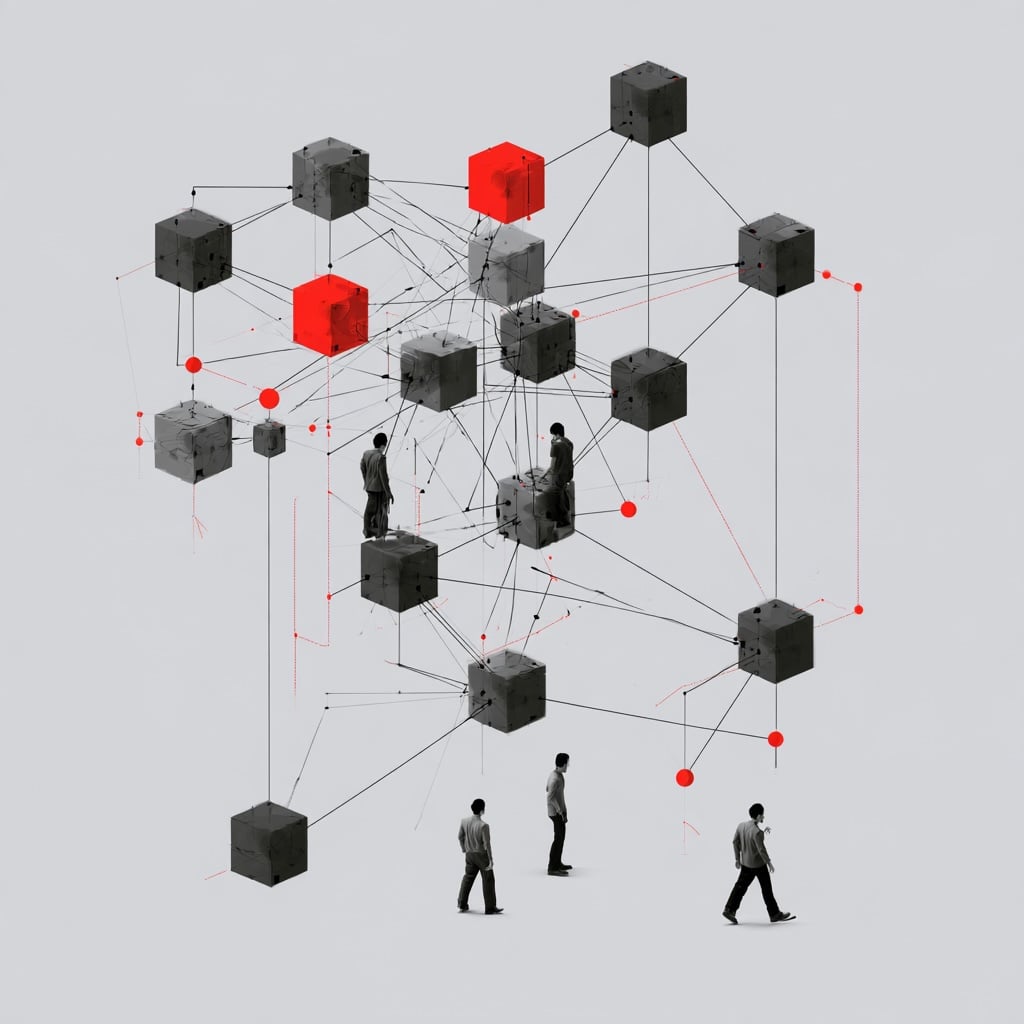
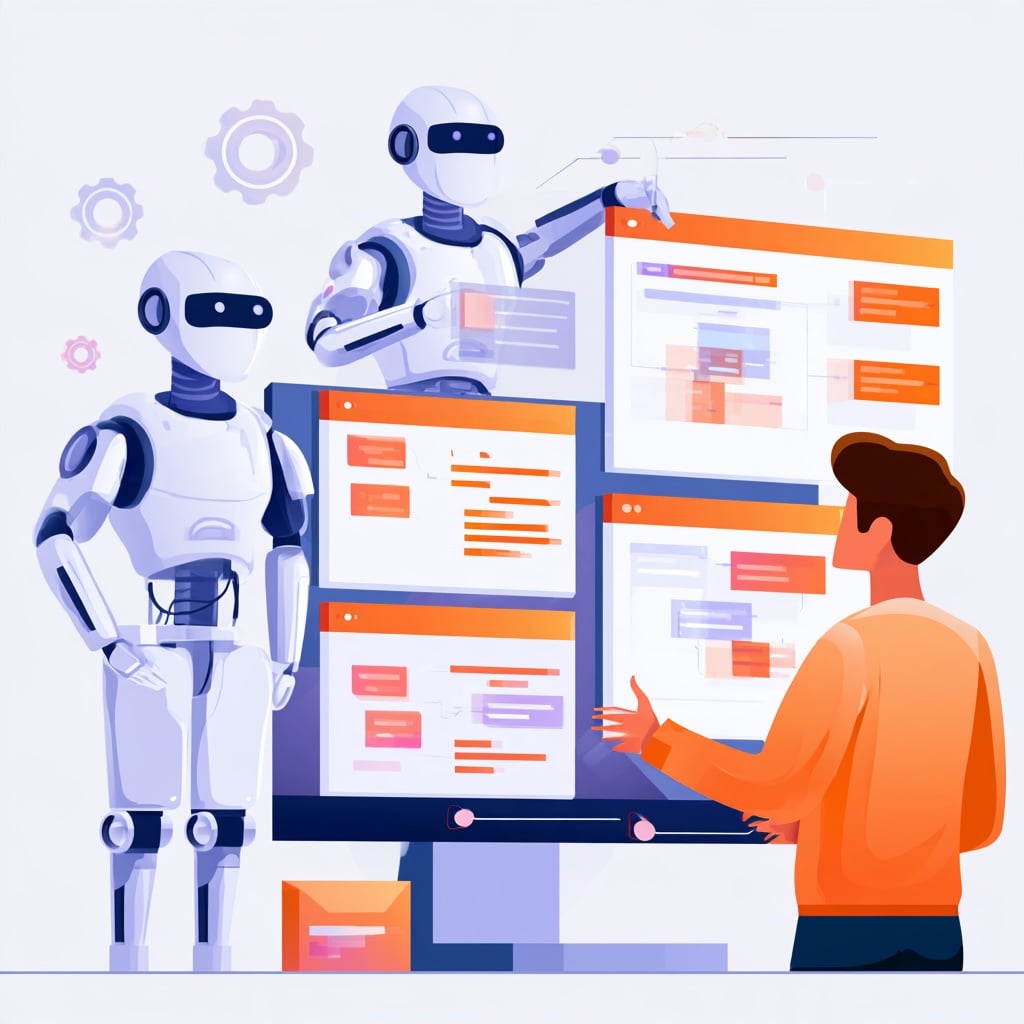
When an AI task becomes too broad for a single agent, dividing the work can help. Multi-agent systems use several specialized agents to work toward a shared goal, with each handling a defined part of the assignment.
A coordinating agent might break a research question into smaller topics, assign them to individual agents, and combine their findings. Other agents can focus on reviewing evidence or checking the final output.
For developers, this introduces a design challenge: deciding how to divide responsibilities while keeping the overall workflow reliable.
Choosing Tasks That Fit Multi-Agent Systems
Broad research and information gathering can benefit from agents exploring independent topics in parallel. Each agent has its own context window and can receive tools and instructions tailored to its assignment.
Tasks with tightly connected dependencies are harder to divide. If every agent needs the same evolving context, keeping everyone synchronized can create substantial overhead.
Before building an agent team, map the work. Identify which parts can run independently, what information must pass between agents, and how the results will be combined.
Coordination and Verification Matter
An agent can misunderstand its role, repeat another agent’s work, or return incomplete findings. Those problems can spread when later steps depend on earlier outputs.
Clear instructions help. Each agent needs a defined responsibility, appropriate tools, and an explicit stopping condition. The workflow also needs a review step to check whether the combined result meets the original goal.
Logs and tracing make that process easier to inspect. When something fails, developers need to see which agent made a decision and what information it used.
Measure the Added Cost
More agents mean more model calls, token usage, and coordination. Parallel execution may reduce completion time for suitable tasks, but the additional computing still carries a cost.
Start with a single-agent baseline. Compare its output quality, completion time, and token usage against a multi-agent version. Expand when the results show that the added complexity serves the task.
Read the Full Guide
Our article, “Multi-Agent Systems Explained,” explores how these systems work, where specialization helps, and why agent teams sometimes fail. It also covers practical steps for starting small, monitoring costs, and verifying results.
Read the full article: