Choosing the Best AI Integration Platform

AI models become more useful when they can work with the applications, data, and processes a business already uses. AI integration platforms provide those connections, allowing organizations to create automated workflows that combine AI capabilities with existing systems.
Choosing a platform is not simply a matter of finding the product with the most integrations. The right option depends on what you want to build, who will maintain it, and how much control your organization requires.
Define the Use Case First
Start by identifying the process you want to improve. This might involve analyzing documents, processing customer requests, updating records, generating reports, or coordinating work across several applications.
A defined use case helps you determine which connectors, AI models, triggers, actions, and data-processing capabilities the platform must support.
Evaluate Integration Depth
The number of available connectors can be misleading. A platform may connect to an application but provide access to only a small selection of its data or functions.
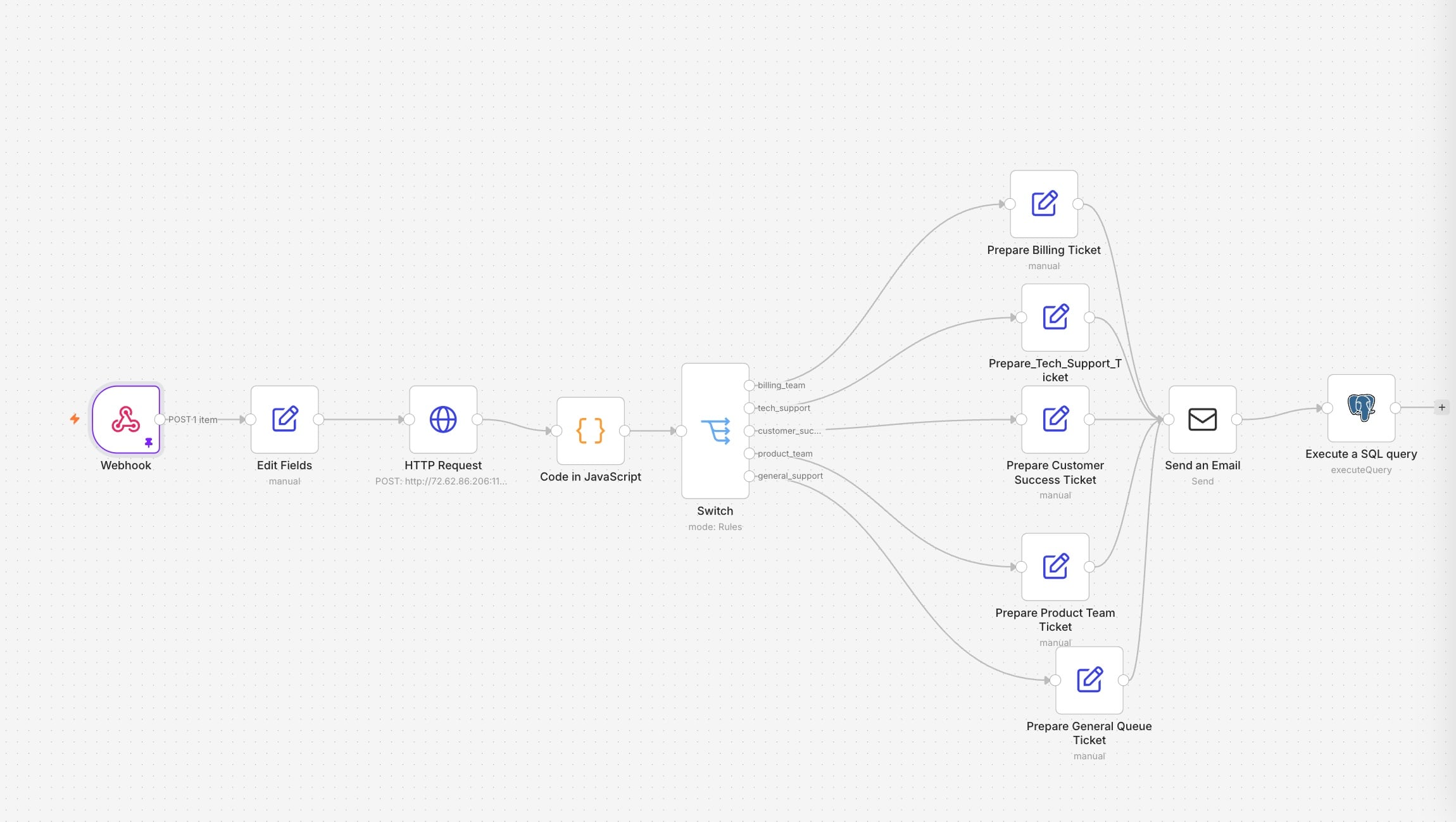
Review the triggers and actions available for the applications your workflow requires. Also check whether the platform supports custom API requests when a prebuilt connector does not provide enough flexibility.
Compare No-Code and Developer Features
No-code platforms can make straightforward automations easier to build and maintain. Visual workflow builders are especially useful when business users need to understand or modify a process.
Developer-focused platforms provide more control through custom code, APIs, webhooks, databases, and self-hosting. These capabilities are valuable for complex workflows, specialized security requirements, and integrations with internal systems.
Review AI Capabilities Carefully
Adding an AI model to a workflow is only one part of AI integration. A useful platform should also provide ways to manage prompts, structure model outputs, retrieve relevant data, handle errors, and add human approval when necessary.
Organizations building AI agents should examine how the platform manages tools, memory, authentication, permissions, and multi-step actions.
Consider Security and Reliability
AI workflows may interact with sensitive company information. Authentication, credential storage, access controls, encryption, logging, and regulatory compliance should be reviewed before deployment.
Reliability is equally important. Look for retry controls, error handling, monitoring, execution histories, testing tools, and alerts. These features become essential when an experimental workflow turns into a business-critical process.
Account for Long-Term Costs
Subscription price is only one part of the total cost. Usage limits, workflow executions, AI model charges, data transfer, premium connectors, maintenance, and technical support can all affect the final expense.
A lower-priced platform may become costly as usage increases. A more advanced platform may also be unnecessary if the organization needs only a few simple automations.
Select the Platform That Fits the Project
No AI integration platform is the best choice for every organization. Each offers a different combination of accessibility, customization, governance, scalability, and cost.
The best platform is the one that supports your specific systems and workflows while remaining secure, maintainable, and financially practical.
Read the complete comparison: