Building AI Learning Paths Around Real Work
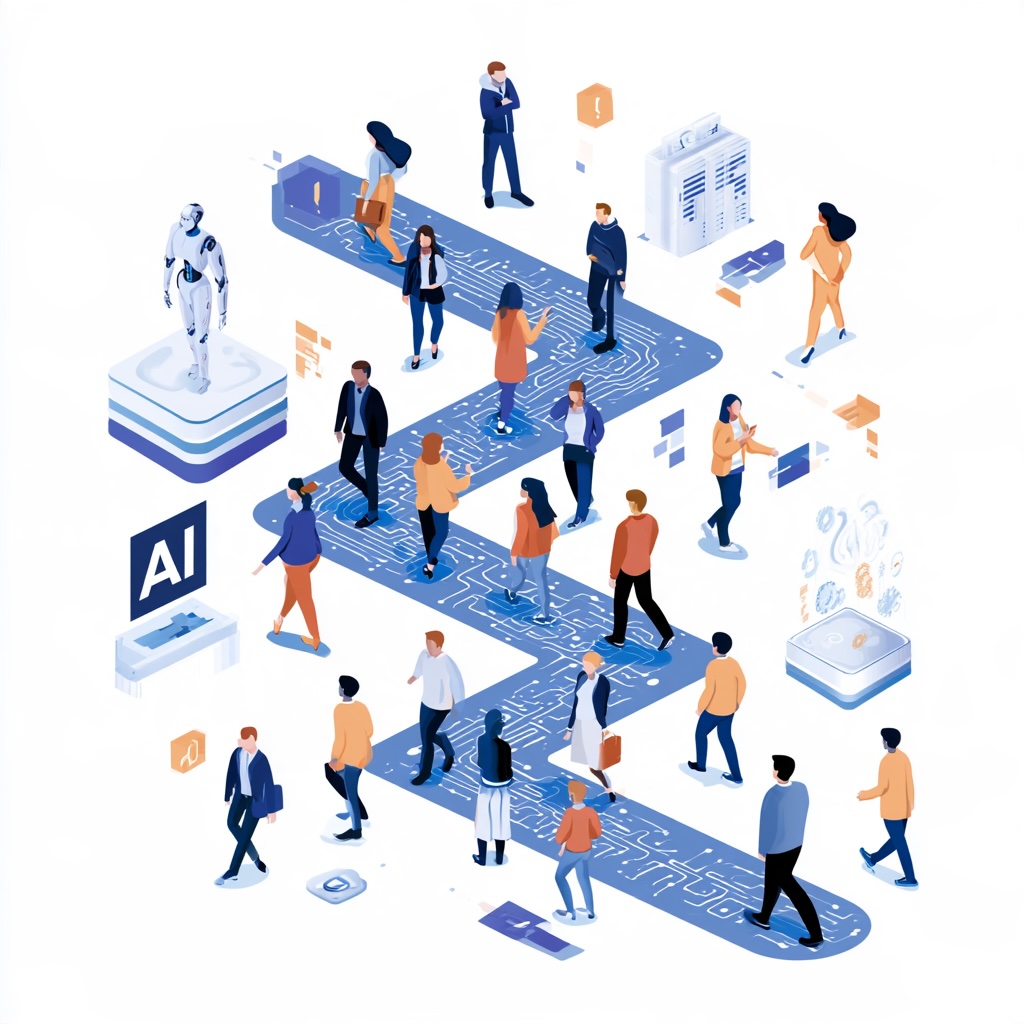
Introducing AI tools is only the beginning. Employees also need a clear way to build skills, practice safely, and apply what they learn.
A single workshop can raise awareness. However, a structured learning path helps people progress from understanding AI to improving everyday workflows.
Here is a practical approach to designing that progression.
Define the Tasks Before Choosing the Training
Start by identifying two or three tasks for each role where AI could help.
For a support team, those tasks might include drafting responses and checking answers against approved documentation. For a technical team, they might include explaining unfamiliar code or preparing a first draft of internal documentation.
Then, define what successful use looks like. Include the checks employees must perform before accepting or sharing an output.
This gives training a concrete purpose and makes progress easier to assess.
Build a Three-Stage Path
Begin with foundational skills. Cover AI limitations, prompt writing, output verification, privacy, and responsible use.
Next, introduce applied practice. Give employees small projects based on their actual responsibilities. Ask them to review the results, identify errors, and explain where human judgment was necessary.
Finally, move toward workflow improvements. More experienced learners can explore automating a recurring task or connecting AI assistance to an existing process.
Keep the progression manageable. Each stage should build on skills employees have already practiced.
Make Room for Feedback
A useful exercise should produce more than an AI-generated answer. It should help employees understand why an approach worked and where it fell short.
For example, someone using AI to draft a procedure could compare the output against source documentation. Missing prerequisites or incorrect steps become opportunities to practice verification.
Manager check-ins and shared examples can reinforce those lessons. They also help teams identify problems that deserve more attention in future training.
Measure Practical Outcomes
Track what changes after employees complete the training.
Look for improvements in task completion time, output quality, and the ability to recognize unreliable results. Also, ask whether employees can apply their skills to a new task without step-by-step guidance.
Review the learning path regularly as tools and team needs change. Update exercises based on employee feedback and the problems they encounter.
Start with one team, test the approach, and refine it before expanding.
Which task would make the best starting point for your team’s AI learning path?
Read the full article: https://aitransformer.online/ai-learning-paths/
Comments
Join the discussionNo comments yet. Be the first to comment.